As AI moves faster, do we have the wisdom to guide it?


These reflections from Indigital CEO Mikaela Jade draw on recent conversations at the AI for Good Global Summit in Geneva and Canva’s AI Vision event in Sydney. As AI moves rapidly into everyday work and decision-making, Mikaela asks what it will take to ensure intelligence remains connected to wisdom, context and responsibility.
Words by Mikaela Jade, Indigital CEO and Founder
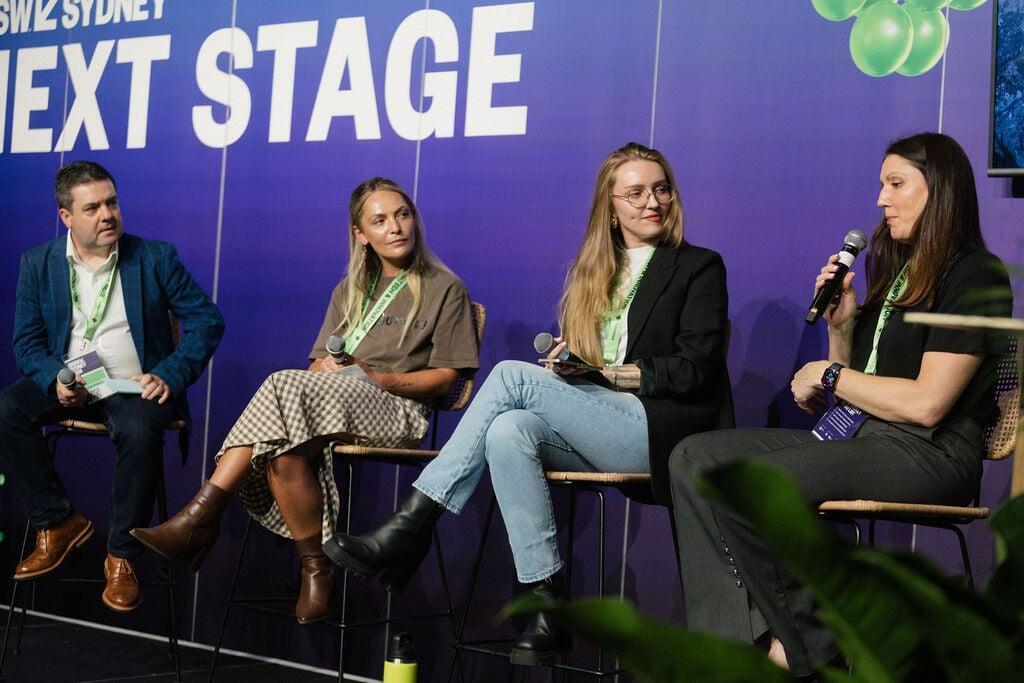
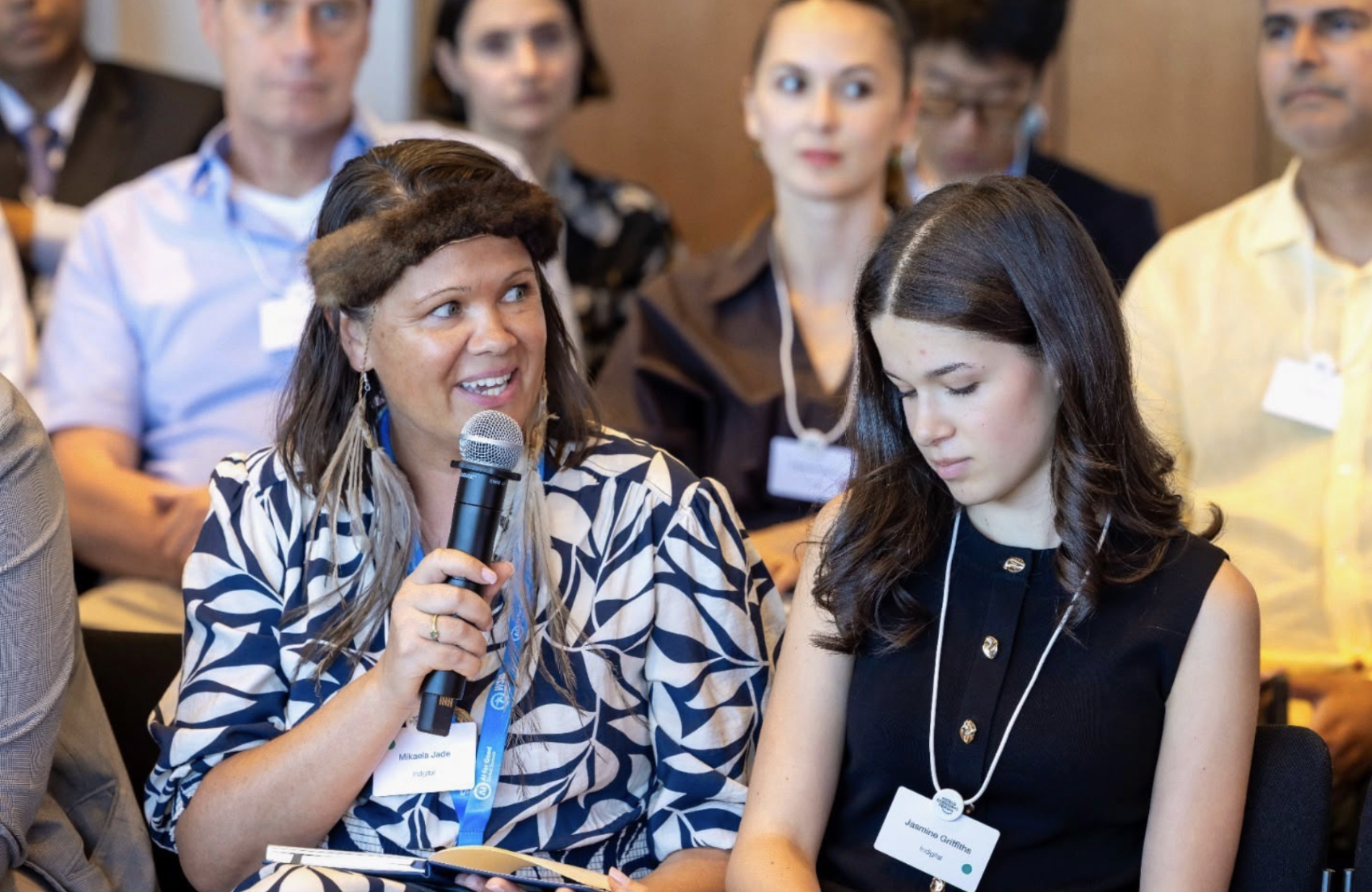
Over the past few months, I have joined conversations about AI in many different places, from the AI for Good Global Summit in Geneva to Canva's AI Vision event in Sydney.
In every room, there was a sense of excitement about what AI might make possible. The technology is evolving quickly, with new tools and capabilities appearing faster than most organisations can absorb.
The question I keep returning to is do we have the wisdom to guide what it should do?
At Canva AI Vision, I stated that we should spend less time discussing intelligence and more time discussing wisdom.

Cameron Adams, one of Canva's co-founders, later shared his key takeaways from AI Vision Sydney: "What the model possesses is intelligence, while wisdom consists in knowing what is missing."
For me, what is often missing is context.
AI can find patterns, generate ideas, and move through information at a speed that is hard to match. Yet it does not naturally see the relationships that shape a decision, the history behind it, or the responsibilities that remain after the choice is made.
AI is no longer just something to experiment with. It is increasingly woven into how organisations create, communicate, solve problems, and make decisions. The conversation has shifted from whether to use AI to how to use it well.
It makes sense that productivity is a focus. AI can help us work faster, automate routine tasks, and do more with less.
But greater efficiency does not always lead to better outcomes.
If we automate a process without understanding its purpose, we may simply do the wrong thing faster. If we make decisions without the right context, our blind spots can grow. And if AI gives us more answers but we lose sight of which questions matter most, have we truly become more capable?
This is where wisdom becomes practical.
This means taking time to clarify where AI truly adds value, and where human judgement, relationships, and lived experience must remain at the centre.
It means building people's capabilities, not just the systems’. AI should help people do more, without taking away their confidence, creativity, or ability to think critically.
It also means asking who and what might be missing from the information a system uses. Every dataset is incomplete, and every model reflects choices about what is included, what is left out, and what is valued.
It also means taking responsibility for people. An organisation cannot decide with AI and then step away from the consequences that follow.
At Indigital, these ideas are familiar to us.
For tens of thousands of years, Indigenous knowledge systems have seen knowledge as relational. It is connected to people, place, purpose, and responsibility, not just information to be taken and used anywhere.
This way of thinking offers what the AI conversation needs: a deeper recognition that intelligence matters most when it stays connected to relationships, context, and consequences.
At Indigital, we are hopeful about what technology can offer. We want communities to have access, skills, and the agency to help shape it and benefit from it.
For us, progress is not just about how quickly AI is adopted.
We need to ask whether technology strengthens people and their relationships, supports the futures communities choose, keeps authority and accountability clear, and gives people more agency.
AI is moving quickly, and none of us has all the answers.
Perhaps wisdom begins with recognising this. By staying curious, asking better questions, and leaving space between what we can do and what we choose to do, we can focus on what truly matters.
Those who lead well in this time will not be the ones who move fastest, but those who know where they are going, who they are travelling with, and what their responsibilities are along the way.