Going slow to move fast: What relational leadership makes possible
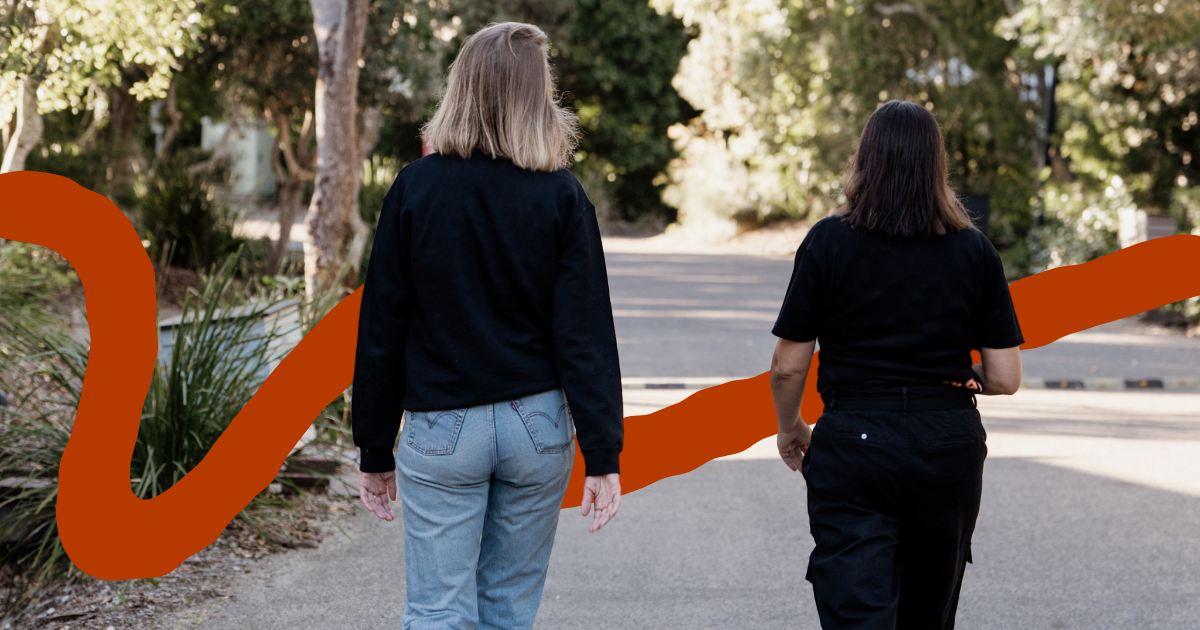

Indigital Founder and CEO Mikaela Jadeand Chief Operating Officer Joanna Baker reflect on their leadership partnership, and how it has shaped the way Indigital works across cultures, communities and complex systems.
The challenges facing industry are rarely solved through technical expertise alone. They sit within relationships, between people, communities, Country and organisations, and are shaped by different priorities, responsibilities and ideas about what progress should look like.
In these environments, the pressure is usually to move quickly. But at Indigital, we have learned that creating the conditions for meaningful action often requires us to slow down first.
This idea sits at the centre of a new episode of the Australian Rural Leadership Foundation’s Rural Leaders podcast, where Mikaela and Joanna reflect on how they lead, navigate difference and turn ideas into lasting action.
Mik, a Cabrogal woman of the Dharug speaking Nations, founded Indigital to enable Traditional Owners to use emerging technologies to tell the stories of Country in their own words and on their own terms.
When Jo joined the company in 2020, she brought experience in social enterprise, commercial strategy and organisational design as a former co-founder of the Youth Food Movement in Australia.
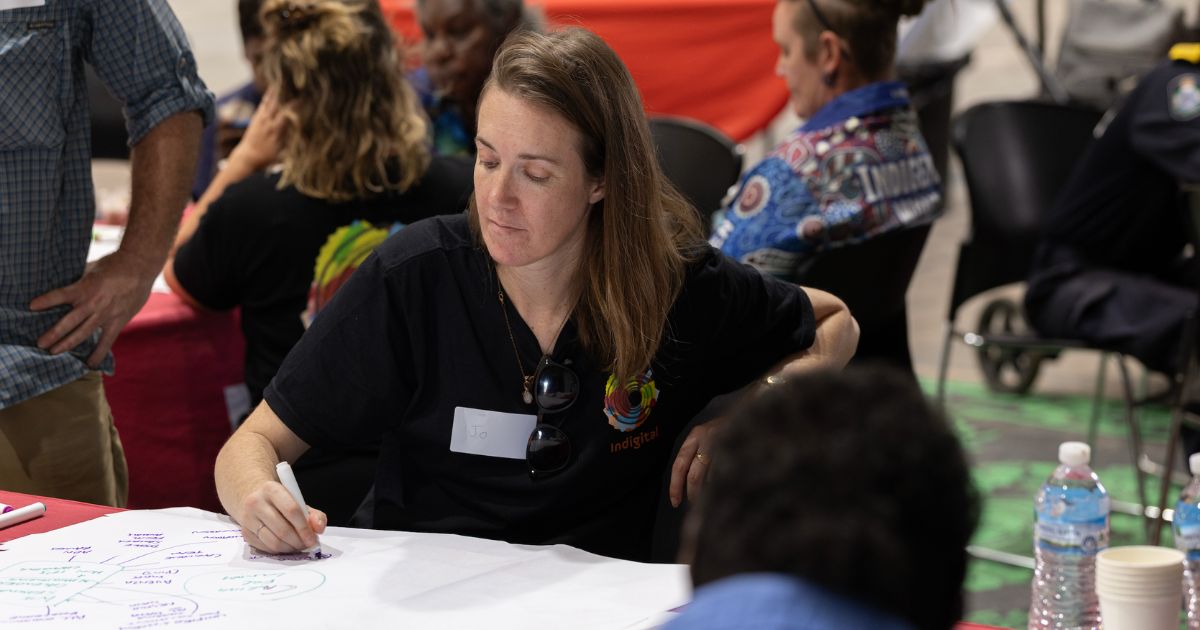
Together, they have led Indigital through significant change and into the work we do today. Much of that work now sits at the intersection of communities, mining and regional development helping people understand one another, see the bigger picture and create pathways forward.
Their conversation offers an insight into how the principles shaping their relationship have also shaped Indigital.
Difference creates movement
Spend time with Mik and Jo and it quickly becomes clear that they are very different people.
Mik is comfortable moving towards an idea before every detail is resolved. Jo is a deep thinker who wants to understand the path, its implications and what will make an idea sustainable.
Over time, they have learned from, and come to rely on, those differences.
“Mik is incredibly action oriented and very brave to jump in, give things a go and see what happens,” Jo says. “What I’ve learned working with Mik is that purposeful and profitable businesses and ideas come through iterative action.” Jo says.
Their partnership is not a simple division between vision and operations. But there is a complementary rhythm to how they lead.
Mik often holds the ‘how’ of Indigital’s external work, how we show up alongside communities and partners, challenge existing ways of working and create new pathways forward. Jo brings focus to the ‘how’ inside the company, the people, culture, systems and commercial foundations that allow us to do that work well and sustain it over time.
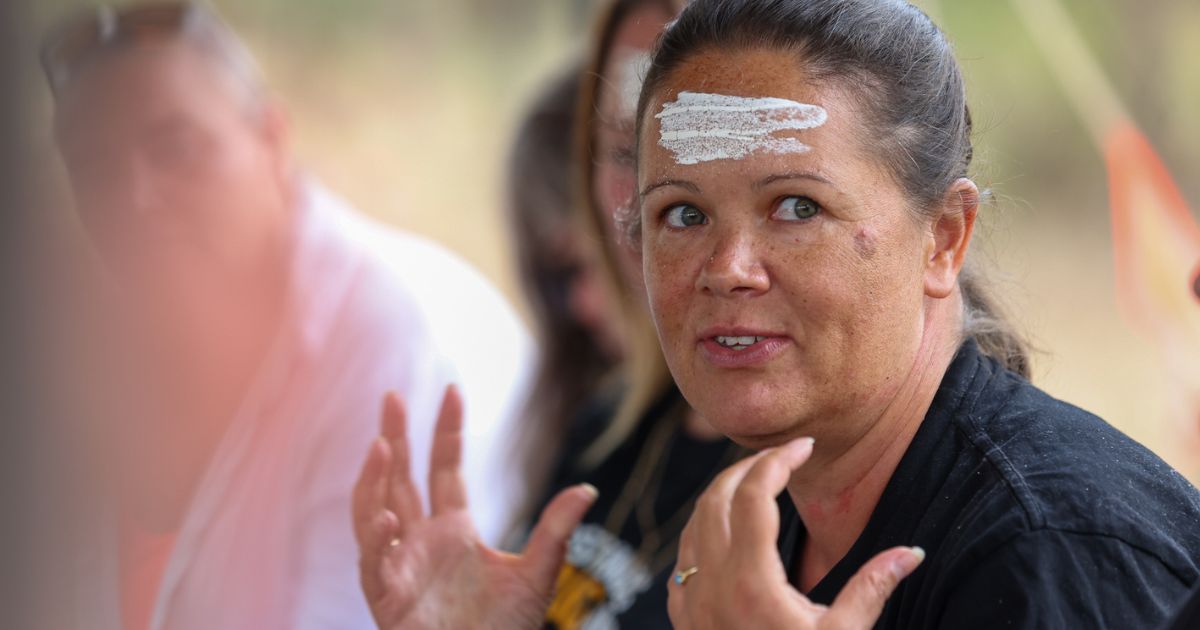
Between them sits a shared commitment to Country, Culture and reciprocity, as well as an openness to taking on challenges.
“There’s a lot of productive, creative tension that sits between us,” Jo says. “Underpinning all of that is a deep respect for each other and our differences.” “It’s bumpy and clunky sometimes, but it is that friction between us….our ways of thinking, doing, being and knowing….that fuels us.”
This really shapes how Indigital works more broadly. Complex challenges are rarely resolved by bringing together people who think in the same way. Progress often emerges in the space between different perspectives, when people can challenge assumptions, remain curious and work through tension without losing sight of their shared purpose.
Understanding where influence lives
When working alongside communities, formal roles and structures only tell us part of the story.
In the podcast, Mik talks to the distinction between positional power, the authority attached to a formal role, and relational power, which is built through trust, cultural authority and connection.
“When you’re working in community development, it’s relational power that is important….not simply positional power,” she says.
The people who hold relational power are not always those in the most visible positions. They may be Elders, women, young parents or others whom people naturally turn to when something needs to be understood, discussed or resolved.
If engagement begins and ends with formal representatives, organisations can miss the relationships and insight that influence whether an idea will gain trust, create movement or endure.
Our work begins by taking the time to understand those relationships, listen to what matters and recognise where we have been invited to contribute.
“The upfront work is slow,” Mik says.“But when they want action, we go straight away.” That is what Jo describes as“going slow to move fast.”
It is not about delaying action. It is about building the trust and shared understanding that allow action to be informed and sustained.
.jpg)
Knowing what is ours to hold
Working within complex systems can be overwhelming. A single issue may involve community aspirations, cultural responsibilities, commercial pressures, government processes and long-term regional change.
Seeing that bigger picture is an important part of our work. But it does not mean trying to own or control every part of it.
“Put a boundary around the part where you can affect change,” Mik says. “You don’t have to affect change across the whole value chain.”
Clear boundaries help turn broad intentions into practical contributions. They also remind us that meaningful change cannot be created by one leader, organisation or community acting alone. It involves collective effort and action.
The how matters
The way Mik and Jo lead together is reflected in how we show up at Indigital.
We work with difference rather than trying to remove it. We take the time to understand the relationships surrounding an issue. We see the bigger system while remaining clear about the part that is ours to hold. And we recognise that communities must determine what meaningful action looks like for them.
.jpg)
Going slow to move fast is not simply about pace. It is about understanding before acting and creating the conditions for people to move forward together.
It is how we create outcomes that communities can carry forward, and that partners can genuinely stand behind.
Listen to Mik and Jo’s full conversation on the Australian Rural Leadership Foundation’s Rural Leaders podcast – https://rural-leaders.org.au/podcast/