The Next 50 Years of Deadly

This year's NAIDOC Week theme, 50 Years of Deadly, celebrates the strength, resilience and leadership of Aboriginal and Torres Strait Islander peoples over the past five decades, while inviting us to imagine what's possible for the next fifty.
As we celebrate this milestone, we've found ourselves reflecting on a simple question.
What will the next 50years of Deadly look like?
At Indigital, we believe the answer starts by recognising something that has always been true. Culture has never stood still.
For more than 65,000 years, Aboriginal and Torres Strait Islander peoples have adapted to changing environments, developed sophisticated knowledge systems, shared innovation across generations and found new ways to care for Country.
Innovation isn’t something that arrived with technology. It has always been part of First Nations cultures. Every generation has used the tools of its time to strengthen culture, care for Country and create opportunities for those who follow.
Today, those tools might include environmental DNA, LiDAR, AI (Artificial Intelligence), digital mapping or immersive technologies. But while the tools continue to evolve, the responsibility remains the same.
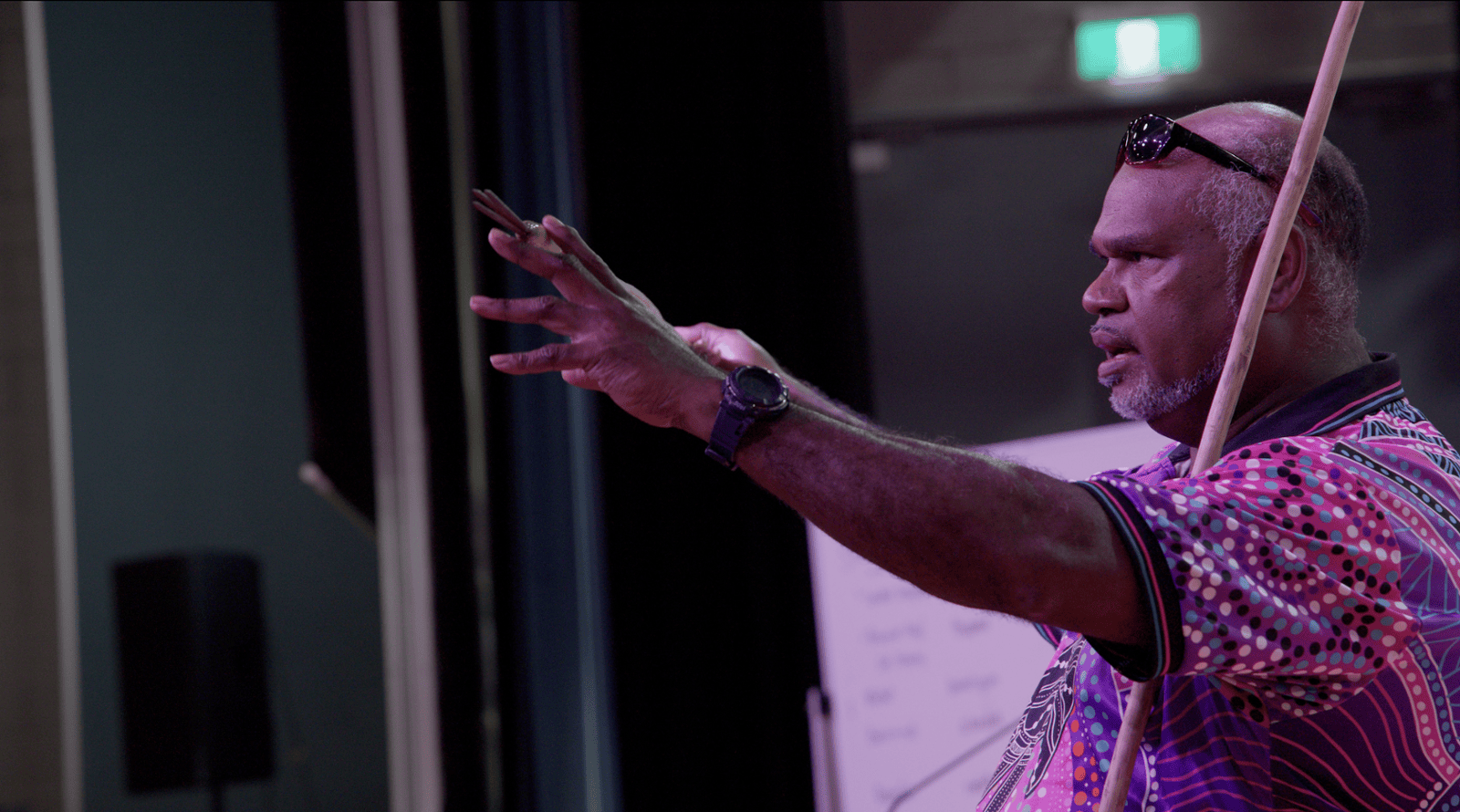
Our Caring for Country program is one example of what this looks like in practice, with Elders and young people using emerging technologies alongside cultural knowledge to care for Country and strengthen culture for future generations.
Watch the video below to see the program in action.
Technology doesn’t replace culture. When guided by communities, it can strengthen it.
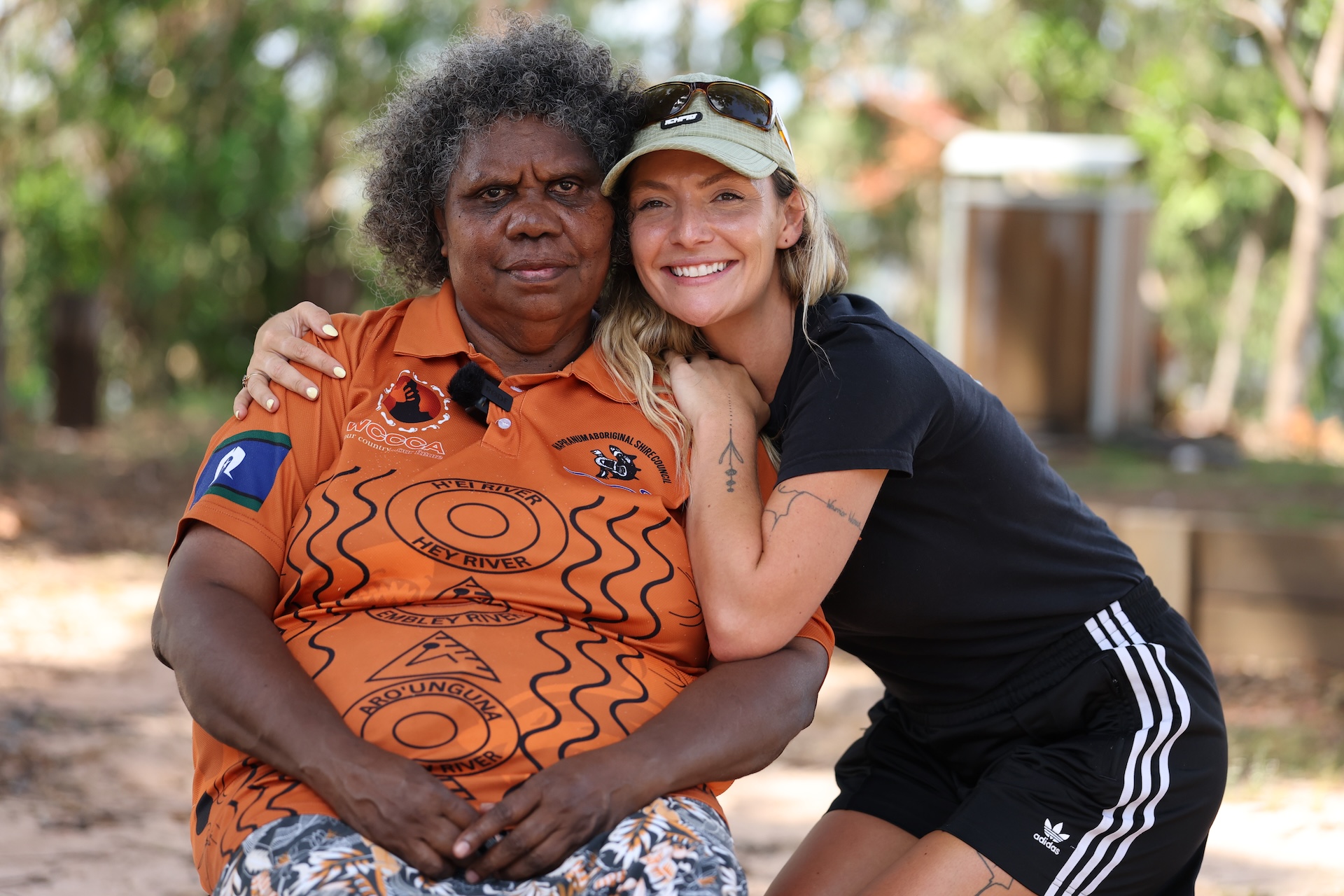
Across Australia, we’reprivileged to see this happening every day. We see Elders and young peopleworking side by side, combining cultural knowledge with emerging technologiesto care for Country. We see communities leading conversations about Indigenousdata sovereignty and cultural authority. We see young people discovering thatcareers in STEM don’t require leaving culture behind, they can become anotherway of protecting, sharing and strengthening it.
But the real opportunityisn’t simply adopting new technologies. It’s changing the systems that shapehow decisions are made, whose knowledge is valued and who benefits frominnovation.
For us, systems change means creating new ways for communities, industry, government and education to work together. It means moving beyond consultation towards genuine partnership.It means recognising First Nations knowledge not as something to be included after decisions have been made, but as knowledge that can help shape the decisions themselves.
These aren’t stories about technology. They’re stories about people.
About relationships.
About trust.
About communities leading the conversations that affect their futures.
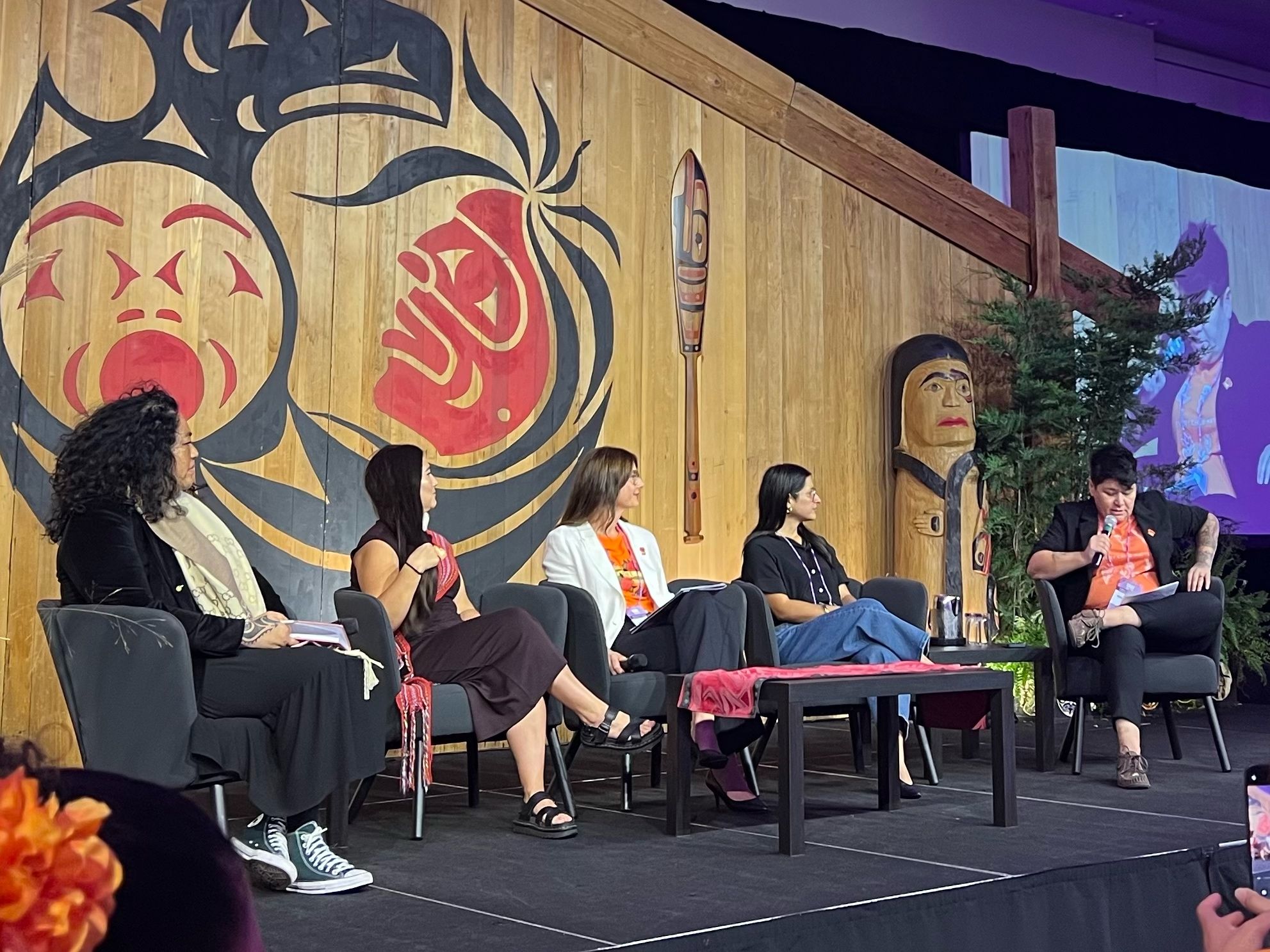
This NAIDOC Week, those conversations are also reaching beyond Australia’s shores. While communities gather across the country to celebrate 50 Years of Deadly, our Founder and CEO, Mikaela Jade, is travelling to Switzerland, to attend the International Telecommunication Union’s AI for Good Summit and a World Economic Forum Collective Convening on AI for Social Entrepreneurship.
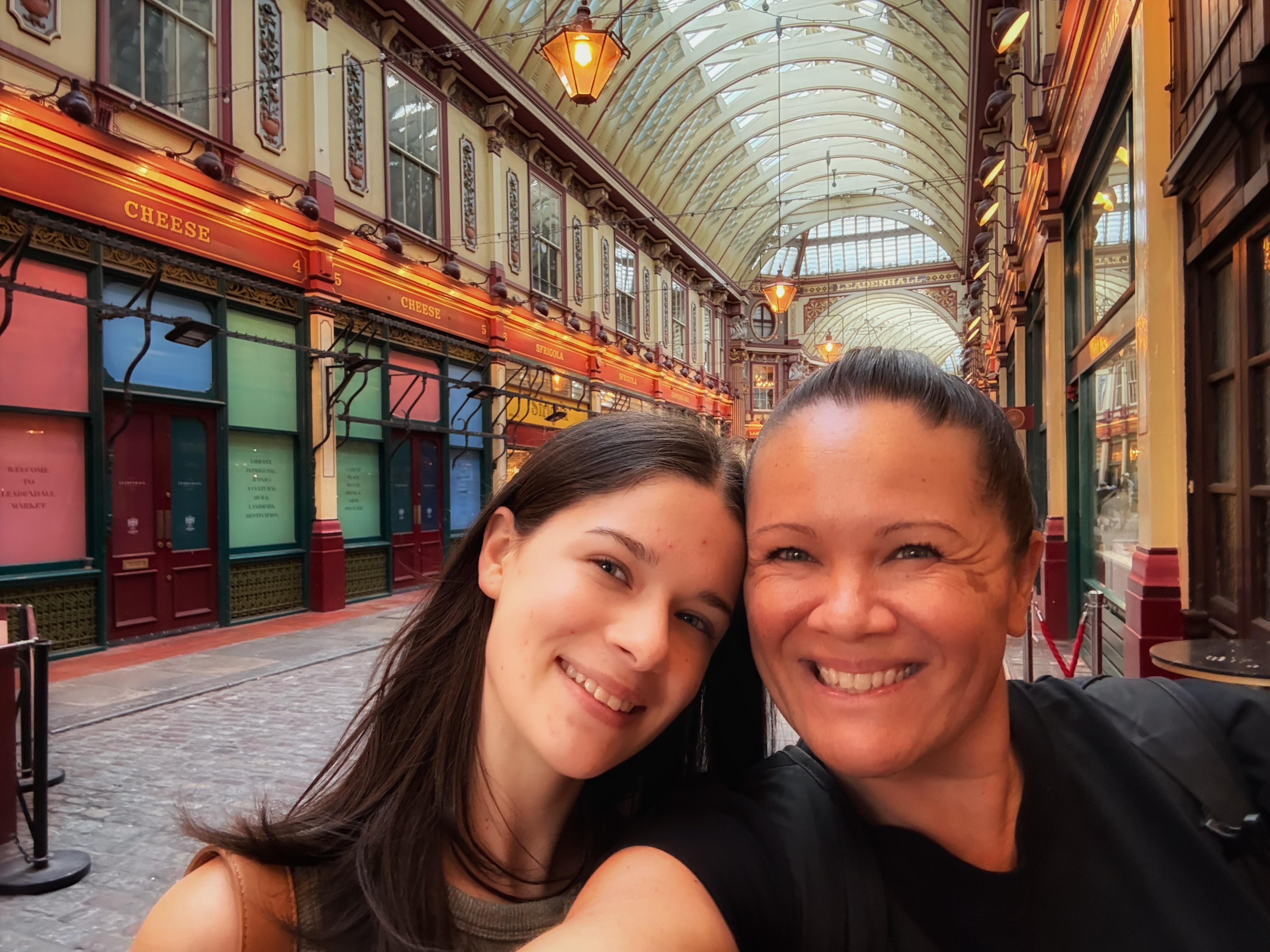
She joins global conversations at a time when the world is asking important questions about the future of artificial intelligence, digital innovation and the role technology will play in our lives. We believe First Nations knowledge has an important place in those conversations.
The conversations taking place on the world stage are deeply connected to the work happening every day in communities across Australia.
Whether it’s caring for Country, strengthening language, protecting cultural knowledge or creating pathways into STEM, the principles remain the same: communities lead, culture guides and technology follows.
As we celebrate 50 Years of Deadly, we honour the generations who made this moment possible.
And we look ahead with hope. Because the next 50 years are already taking shape in communities, in classrooms, and on Country.
The tools will continue to change. The responsibility won’t.
Culture will continue to lead.